

Blog
Cannabis Culture Explained: Trends, History, and the Modern Marijuana Lifestyle

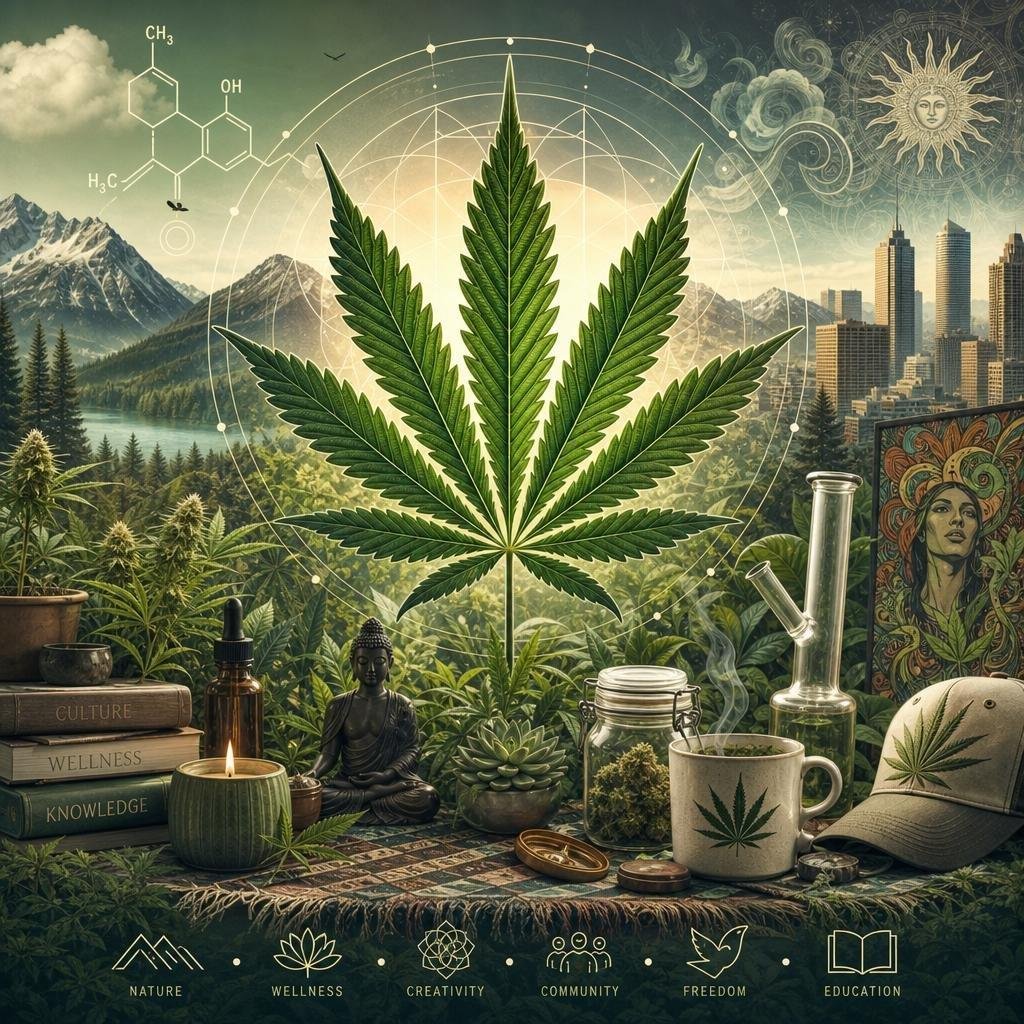
Cannabis Culture: History, Community, Trends, and Responsible Enjoyment
Cannabis culture is more than a plant, a product, or a passing trend. It is a diverse global movement shaped by history, art, wellness, social justice, music, agriculture, and evolving laws. From ancient herbal traditions to modern dispensaries and cannabis lounges, the culture around cannabis continues to influence how people gather, create, relax, advocate, and connect.
As cannabis legalization expands in many regions, curiosity about marijuana culture, responsible cannabis use, cannabis etiquette, and the lifestyle surrounding the plant has grown rapidly. Whether you are a newcomer, a longtime enthusiast, a wellness-minded consumer, or simply someone interested in the social history of cannabis, understanding cannabis culture helps you appreciate the many communities and values connected to it.
This guide explores the roots of cannabis culture, its modern evolution, common traditions, social norms, practical tips, and the future of the cannabis community. It also highlights responsible consumption, legal awareness, and the importance of education in shaping a healthier and more inclusive cannabis landscape.
What Is Cannabis Culture?
Cannabis culture refers to the shared customs, language, rituals, values, art, music, and social practices that have developed around cannabis use and appreciation. It includes everything from the iconic symbolism of the cannabis leaf to modern conversations about legalization, medical marijuana, hemp sustainability, and social equity.
For some people, cannabis culture is tied to relaxation, creativity, and community. For others, it is connected to wellness, spiritual practice, activism, or medical use. Today, the cannabis lifestyle is broad and inclusive, involving many different types of people and perspectives.
Key Elements of Cannabis Culture
- Community: Social gatherings, festivals, online forums, and cannabis-friendly events.
- Education: Learning about cannabinoids, terpenes, dosage, effects, and product safety.
- Advocacy: Support for legalization, criminal justice reform, and fair access.
- Creativity: Cannabis influence in music, visual art, film, fashion, and literature.
- Wellness: Interest in mindful use, CBD products, relaxation, and holistic routines.
- Etiquette: Respectful consumption, consent, sharing norms, and public awareness.
A Brief History of Cannabis Culture
The history of cannabis is long and complex. Cannabis has been used for thousands of years in various parts of the world for fiber, food, ceremonial purposes, traditional medicine, and recreation. Hemp, a variety of cannabis with very low THC levels, has historically been valued for making rope, textiles, paper, and building materials.
In the 20th century, cannabis became heavily restricted in many countries. Laws, media campaigns, and social stigma pushed cannabis use underground. Despite this, cannabis culture continued to grow through countercultural movements, jazz communities, reggae music, hippie culture, underground publications, and later, medical cannabis advocacy.
Today, cannabis is undergoing a major cultural shift. In places where legalization has occurred, consumers can purchase regulated products, access lab testing information, and discuss cannabis more openly. At the same time, many regions still prohibit cannabis, making legal awareness essential.
| Era | Cannabis Culture Highlight | Impact |
|---|---|---|
| Ancient Times | Traditional uses for hemp, ritual, and herbal practices | Established cannabis as a versatile plant |
| 1900s | Prohibition and underground use | Created stigma and counterculture identity |
| 1960s-1970s | Music, peace movements, and cannabis symbolism | Linked cannabis with activism and creativity |
| 1990s-2000s | Medical marijuana advocacy | Shifted public perception toward therapeutic potential |
| Today | Legal markets, dispensaries, and wellness products | Expanded mainstream acceptance and education |
Modern Cannabis Culture: From Counterculture to Mainstream
Modern cannabis culture looks very different from the stereotypes of the past. While traditional cannabis imagery still exists, today’s cannabis community includes professionals, parents, artists, athletes, seniors, medical patients, wellness enthusiasts, entrepreneurs, and advocates.
Legal cannabis markets have introduced new experiences, such as boutique dispensaries, cannabis culinary events, CBD wellness brands, cannabis tourism, and educational workshops. Social media has also transformed how people learn about cannabis strains, product types, cannabis laws, and harm reduction.
Popular Trends in Cannabis Culture
- Microdosing: Using very small amounts of cannabis to reduce the likelihood of unwanted effects.
- CBD wellness: Non-intoxicating CBD products used by some consumers as part of relaxation or self-care routines.
- Cannabis beverages: THC and CBD drinks offering an alternative to smoking or vaping where legal.
- Terpene education: Growing interest in aroma compounds that may influence the cannabis experience.
- Cannabis lounges: Social spaces for legal, regulated consumption in certain regions.
- Low-THC products: Options for consumers seeking milder experiences.
- Social equity programs: Efforts to include communities harmed by prohibition in the legal cannabis industry.
Cannabis Language: Common Terms to Know
Like many communities, cannabis culture has its own vocabulary. Understanding common cannabis terms can help new consumers feel more confident and informed.
| Term | Simple Meaning |
|---|---|
| THC | The main intoxicating cannabinoid in cannabis |
| CBD | A non-intoxicating cannabinoid often associated with wellness products |
| Terpenes | Aromatic compounds that contribute to scent and flavor |
| Strain | A cannabis variety with specific characteristics |
| Edible | A cannabis-infused food or drink product |
| Dispensary | A licensed store that sells cannabis products where legal |
Cannabis and Creativity
Cannabis has long been associated with creative expression. Musicians, writers, painters, filmmakers, and performers have referenced cannabis in their work for decades. From jazz clubs to reggae culture, hip-hop lyrics, psychedelic art, and modern digital design, cannabis has influenced many artistic movements.
However, it is important to avoid oversimplifying the relationship between cannabis and creativity. Not everyone experiences cannabis the same way. Some people report feeling more imaginative or relaxed, while others may feel distracted, anxious, or tired. The effects can depend on the person, product, dose, setting, and tolerance.
In today’s cannabis lifestyle scene, creativity often appears in branding, packaging, culinary arts, glassware design, cannabis photography, and educational content. The plant has inspired an entire visual language, from minimalist wellness branding to bold countercultural art.
Cannabis Culture and Wellness
One of the biggest shifts in cannabis culture is the growing connection between cannabis and wellness. Many adults are interested in cannabis products as part of routines focused on relaxation, sleep hygiene, mindfulness, movement, or recovery. CBD, in particular, has become popular among consumers who want non-intoxicating options.
That said, cannabis is not a cure-all, and medical claims should be approached carefully. Research into cannabinoids is ongoing, and effects vary from person to person. Anyone considering cannabis for health-related reasons should speak with a qualified healthcare professional, especially if they take prescription medications, have a medical condition, are pregnant, or have a history of substance use concerns.
Practical Wellness Tips for Cannabis Consumers
- Start low and go slow: Especially with edibles, begin with a low amount and wait before taking more.
- Know the product: Check THC/CBD content, lab testing, ingredients, and serving size.
- Choose the right setting: A calm, comfortable environment can help reduce unwanted stress.
- Avoid mixing substances: Combining cannabis with alcohol or other substances can increase impairment.
- Store safely: Keep cannabis away from children, pets, and anyone who should not access it.
- Respect your limits: More is not always better, and tolerance varies widely.
Cannabis Etiquette: Respectful and Responsible Use
Good cannabis etiquette is a major part of healthy cannabis culture. As legalization expands, responsible behavior helps reduce stigma and creates a safer experience for everyone.
Important Cannabis Etiquette Rules
- Ask before consuming around others: Not everyone wants to be around cannabis smoke, vapor, or odor.
- Never pressure someone to consume: Cannabis use should always be a personal choice.
- Follow local laws: Public consumption, possession limits, and age requirements vary by location.
- Do not drive impaired: Cannabis can affect reaction time, coordination, and judgment.
- Label homemade items clearly: If cannabis-infused products are legal in your area, prevent accidental consumption.
- Be mindful of neighbors: Odor and smoke can affect shared spaces.
- Share responsibly: In legal settings, make sure others understand potency and effects before consuming.
The Role of Legalization in Cannabis Culture
Cannabis legalization has reshaped cannabis culture in powerful ways. Legal access allows consumers in many regions to buy regulated products, ask questions at licensed dispensaries, and learn about potency, ingredients, and safe storage. It has also created jobs, tax revenue, and new business opportunities.
At the same time, legalization raises important questions. Who benefits from the legal cannabis industry? Are people previously harmed by cannabis prohibition being included? Are small businesses able to compete? Is consumer education keeping pace with product innovation?
Social justice remains central to cannabis culture. Many advocates argue that legalization should include expungement of certain cannabis-related records, community reinvestment, fair licensing opportunities, and policies that address the unequal enforcement of past cannabis laws.
Cannabis, Hemp, and Sustainability
Another growing conversation in cannabis culture is sustainability. Hemp is known for its industrial uses, including textiles, bioplastics, paper, animal bedding, and building materials such as hempcrete. Cannabis cultivation and product packaging also raise environmental concerns, including energy use, water management, waste, and plastic packaging.
Consumers can support a more sustainable cannabis industry by looking for companies that prioritize responsible cultivation, recyclable packaging, transparent sourcing, and ethical business practices. As the industry matures, eco-conscious cannabis brands are likely to become even more important.
Cannabis Events and Community Spaces
Cannabis culture thrives through community. Events and social spaces help people learn, celebrate, network, and connect. Depending on local laws, cannabis-related events may include educational panels, hemp fairs, wellness retreats, music festivals, art shows, cannabis business expos, and legal consumption lounges.
These gatherings often focus on more than consumption. Many include discussions about entrepreneurship, medical cannabis, policy reform, social equity, sustainability, and responsible use. For newcomers, cannabis events can be a friendly way to learn from experienced professionals and community members.
Examples of Cannabis-Friendly Activities
- Cannabis education workshops
- CBD yoga or mindfulness sessions
- Hemp sustainability fairs
- Cannabis cooking demonstrations where legal
- Industry networking events
- Art and music events with cannabis themes
- Legal dispensary tours in regulated markets
First-Hand Style Experience: A Beginner’s Visit to a Dispensary
For many people, visiting a licensed cannabis dispensary for the first time can feel exciting but slightly overwhelming. Modern dispensaries often look more like wellness boutiques or specialty retail stores than the outdated stereotypes many people imagine.
A typical beginner-friendly experience might start with checking identification at the door, followed by a conversation with a trained staff member, often called a budtender. A good budtender will ask what kind of experience the customer is looking for, whether they prefer non-intoxicating CBD, low-dose THC, edibles, flower, topicals, or beverages, and whether they have used cannabis before.
The most valuable part of this experience is education. Instead of guessing, a beginner can ask about potency, onset time, serving size, product testing, and safe storage. This kind of guided, legal shopping experience is one reason modern cannabis culture is becoming more informed and responsible.
Benefits of a Healthy Cannabis Culture
A positive cannabis culture is not simply about access to cannabis. It is about creating an environment where adults can make informed decisions, communities can discuss cannabis openly, and policies can be shaped by evidence rather than stigma.
Potential Benefits of Positive Cannabis Culture
- Better education: Consumers learn about dosage, effects, risks, and responsible use.
- Reduced stigma: Open conversation helps separate facts from outdated stereotypes.
- Safer products: Legal, regulated markets can provide testing and labeling standards.
- Community building: Cannabis can bring people together through events, advocacy, and shared interests.
- Social justice awareness: The culture keeps attention on reform and equity.
- Innovation: New products, research, and business models continue to evolve.
Common Misconceptions About Cannabis Culture
Despite growing acceptance, cannabis culture is still surrounded by misconceptions. These stereotypes can prevent honest conversations and responsible education.
Myth: Cannabis Culture Is Only About Getting High
Reality: While recreational use is part of cannabis culture, the community also includes medical patients, hemp advocates, wellness consumers, entrepreneurs, researchers, artists, and policy reformers.
Myth: All Cannabis Products Are the Same
Reality: Cannabis products vary widely in potency, cannabinoid profile, terpene content, onset time, and effects. Edibles, tinctures, flower, vapes, topicals, and beverages can produce very different experiences.
Myth: Legal Means Risk-Free
Reality: Legal cannabis can still cause impairment, anxiety, unwanted intoxication, or interactions with certain medications. Responsible use and education remain essential.
Myth: Cannabis Consumers Fit One Stereotype
Reality: Cannabis consumers come from many backgrounds, professions, ages, and lifestyles. Modern cannabis culture is increasingly diverse.
Practical Tips for Newcomers to Cannabis Culture
If you are new to cannabis culture, you do not need to know everything at once. A thoughtful, curious approach is the best way to begin.
- Learn your local laws: Cannabis rules differ by country, state, province, and city.
- Ask questions: Licensed dispensary staff, healthcare professionals, and reputable educational resources can help.
- Avoid high-potency products at first: Beginners often benefit from lower-strength options.
- Understand edibles: Edibles can take longer to work and may last longer than inhaled cannabis.
- Plan transportation: Never drive after consuming cannabis.
- Keep a simple journal: Track product type, dose, timing, and effects to understand your preferences.
- Respect non-consumers: Cannabis culture works best when it is considerate and inclusive.
The Future of Cannabis Culture
The future of cannabis culture will likely be shaped by research, policy reform, technology, sustainability, and consumer education. As more regions reconsider cannabis laws, public understanding will continue to evolve. We can expect more emphasis on accurate labeling, cannabinoid science, terpene profiles, low-dose products, and personalized cannabis experiences.
Social equity will also remain a defining issue. Many cannabis advocates believe that the future of the industry must include fair opportunities for communities disproportionately affected by prohibition. Without equity, legalization risks becoming a business trend rather than meaningful reform.
Another major area of growth is cannabis education. As new products enter the market, consumers need clear, honest information about effects, risks, and responsible use. The strongest cannabis culture will be one that values knowledge as much as enjoyment.
Conclusion: Cannabis Culture Is Evolving, Diverse, and Community-Driven
Cannabis culture has traveled a long road from ancient traditions to underground movements to modern legalization and mainstream acceptance. Today, it is a rich and diverse space that includes wellness, creativity, advocacy, entrepreneurship, sustainability, and community connection.
For readers interested in cannabis, the most important takeaways are simple: stay informed, respect local laws, consume responsibly if you choose to do so, and approach the culture with curiosity and consideration. Cannabis culture is not one single identity or lifestyle-it is a growing conversation shaped by people, history, policy, science, and shared experience.
As the cannabis community continues to evolve, education and responsibility will remain at its heart. Whether you are exploring cannabis for wellness, studying its history, attending a cannabis event, or simply learning about legalization, understanding the culture helps you engage with the plant and its people in a more thoughtful and respectful way.